Where Art Walks Tall: My Visit to The Real Elephant Collective, Gudalur
- Jay Ilam

- Sep 18, 2025
- 3 min read
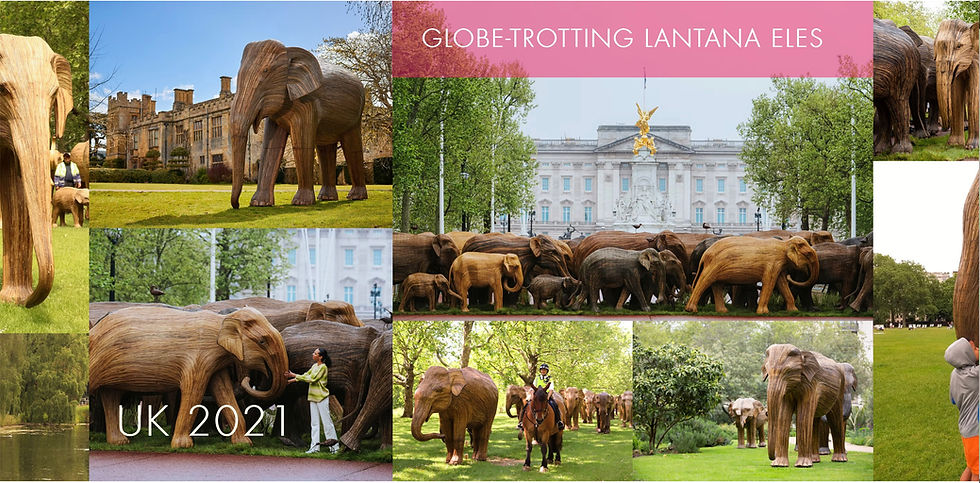
In the emerald foothills of the Nilgiris, I recently found myself face to face with giants. Not the living elephants that silently tread the forests of Gudalur, but their stunning life-sized likenesses, crafted with such detail and dignity that they seemed ready to rumble into the wild. This was my visit to The Real Elephant Collective (TREC), an extraordinary initiative that turns a problem plant into purposeful art, while giving new life to both people and forests.
From Invader to Inspiration
At the heart of this work is Lantana camara, a hardy, invasive weed that has spread aggressively across India’s forests. In the Nilgiris, it suffocates native plants, reduces grazing space for wildlife, and poses serious challenges to forest regeneration. For decades, forest restoration efforts have struggled to manage its spread.

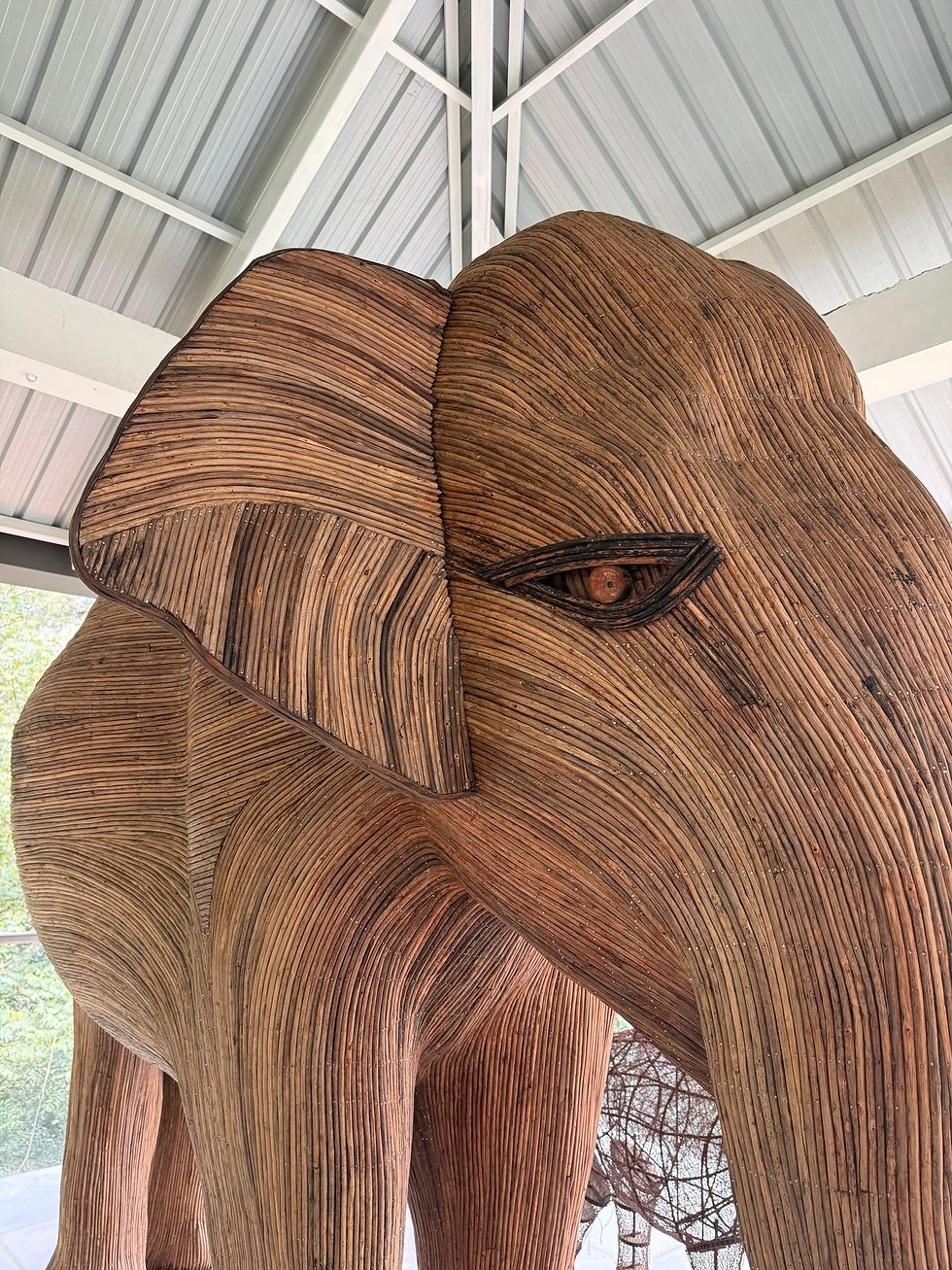
Here in Gudalur, however, Lantana has been reimagined. Instead of being discarded, it is harvested, stripped, and woven into majestic elephant sculptures. What once choked the forest floor now rises tall as art, an emblem of renewal. By removing tons of Lantana, artisans help the forest breathe again, creating room for native trees and grasses to return.
Elephants of the Forest, Elephants in Art
What makes these creations even more remarkable is their rootedness in place. Every elephant sculpted at TREC mirrors a real-life elephant from the forests of Gudalur. The artisans and founders spoke of these animals as neighbors: sometimes feared, always respected. By capturing their forms in Lantana, TREC ensures that each sculpture is not just an artwork but a portrait, a tribute to the living giants who define this landscape.


Walking among them, I felt the uncanny sense of being inside a herd. Calves, mothers, and towering tuskers stood side by side, each carefully shaped by hand. They are more than models; they are messengers carrying the story of coexistence from Gudalur to the world.
People, Forests, and Livelihoods Interwoven
TREC’s mission is bold and layered. By tackling Lantana, they directly aid forest restoration. By transforming it into elephants (recently they are diversifying to the bison and others), they create powerful symbols of conservation. And by training and employing Indigenous artisans from the Soliga, Betta Kurumba, Kattunayakan, and Paniya communities, they provide livelihoods that are stable, dignified, and deeply connected to their heritage.
Transformation Through Craft
This art and craft involves weaving Lantana into intricate designs, such as elephants and Guars. This practice not only enhances the local artisans’ financial stability but also instills a sense of pride as their work gains international recognition. These creations travel to various cities around the globe: London, Los Angeles, New York, and beyond. They serve as conversation starters about important issues, such as human–wildlife coexistence. Through their artistry, artisans contribute to both their communities and broader discussions, fostering awareness and appreciation for wildlife preservation.
Integrating Conservation and Community: Tarsh Thekaekara's Vision

Believing that nature and communities can thrive side by side, Tarsh Thekaekara’s work blends traditional wisdom, science, and sustainable business. As a co-founder of The Real Elephant Collective, Tarsh puts his love for conservation into action by creating jobs that help both people and elephants. The initiative travels across continents, showcasing elephant parades in various landscapes and even featuring elephants in the living rooms of celebrities through their CSR efforts. Beyond Lantana and elephants, the vision extends to Gaurs and toys (fauna native to the geography) made from Senna wood (Senna siamea), another invasive species in the area, and using Lantana (through pyrolysis) for land reclamation and enhance soil health in agroforestry. Spending a few minutes with the visionary was the perfect conclusion to the extraordinary experience.
Walking Away Inspired
As I stood beneath the arch of an elephant’s trunk, I realized these sculptures embody much more than craftsmanship. They tell a story of resilience of forests reclaiming their space, of people finding strength through tradition, and of elephants reminding us of the delicate balance we share with nature.
Leaving Gudalur, I carried with me not just the memory of magnificent art, but the essence of a movement: one where weeds become wonders, art becomes advocacy, and elephants, both real and recreated continue to walk tall across our shared world.
Stories to share and care. Conservation, Art, Responsibility.

Comments